What Are the Differences Between Ready-To-Wear Sarees and Traditional Sarees?
- julia sparkel

- Jun 24
- 3 min read
Sarees have been a symbol of grace and femininity for centuries now. Women across centuries have adorned this 6 yards of magic and have draped themselves in sophistication and charm. However, we can’t deny that there is a certain skill and time required to elegantly drape a saree. In today’s fast-paced world, the traditional saree doesn’t fit in modern wardrobes. However, this is changing with the advent of the one minute saree. These sarees come with pleats and the pallu attached, and you just have to slip into one like a dress. This saves time and requires no draping skills. So, how is the ready to wear saree different from the traditional saree? Let’s have a look.
Why Are Traditional Sarees Special?

Traditional sarees will forever continue to have a special place in the hearts of Indian women. These are not mere garments but a tapestry of memories, emotions, and culture.
Elegantly Beautiful: Traditional sarees have a certain grace that readymade sarees can’t match. The flow of the saree is unmatched. The pleats catch the light beautifully, and the fall is much more natural.
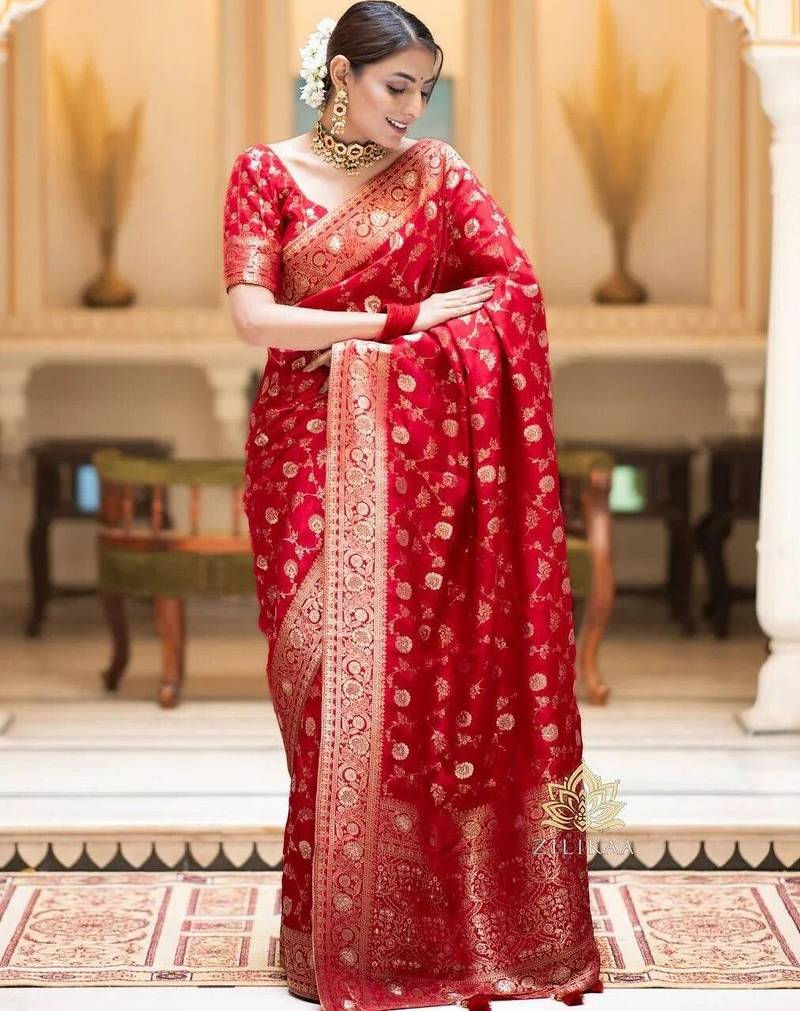
They Carry Cultural Heritage: A saree is a reflection of the traditions, craftsmanship, and identity of different Indian states. Whether it is a rich zari woven Banarasi or the decadent Kanjeevram from the south, every drape tells us a story of rich weaving traditions, history and culture.
Superior Artistry: Several traditional sarees are woven by skilled artisans who take weeks and even months to weave a single piece. Weaving of traditional sarees is time-consuming, and each saree shows flawless artistry.
Sentimental Value: Sarees are often passed down from one generation to the next. A mother’s wedding saree or a grandmother’s Banarasi saree becomes an heirloom that is greatly treasured.
What Makes Ready-to-Wear Sarees Stand Apart?

Ready-to-wear sarees are a modern innovation that has made life easier for millions of women. Requiring no draping skills and saving a lot of time, these sarees fit right into the modern, busy lifestyles.
Ready To Wear: You can get ready in a pre-stitched saree in under five minutes. This is a total game-changer for busy mornings, last-minute events, and office days.
Perfect Pleats Everytime: Since pleats are stitched in place, they stay neat and structured throughout the day, giving a polished look.
Beginner-Friendly: Young wearers and first-time saree users prefer pre-stitched sarees because they eliminate the stress of draping.
Comfortable Movement: Because the saree is securely stitched, walking, dancing, and managing long events become easier.
Which One Should You Choose?
When it comes to picking between a traditional saree and a one minute saree, there is no right or wrong answer. It all boils down to your preference and occasion.
Pick a traditional saree if you have time and enjoy the process of draping. However, if you are short on time and still want to look put together, go for a pre-stitched saree.
If you are attending a wedding, festival, or formal event, traditional saree work is best. However, if you need something comfortable for a long work day or travel, pick a one-minute saree.
If you genuinely want to learn and preserve the traditional draping techniques, opt for a classic saree. However, if you are a beginner in saree draping, a ready-made saree would be the best option for you.
Choose traditional sarees if you want to invest in a handwoven piece and want to showcase it properly. However, a one-minute saree is perfect if you prefer low-maintenance ethnic wear.
So the choice between a traditional saree and a ready-to-wear saree totally depends on how much you value ease of wear, traditional aesthetics, and your draping skills.


Comments